SurgeAI

Cleos, Daphne, AIDA, and Mira. Software for the clinic, the doctor, and the visit.

Who we are

Software for a clinic day

Surge AI makes Cleos, Daphne, AIDA, and Mira. We also design, build, and run products for other teams, from the first screen to the system that keeps them up.

A clinic day breaks when the booking, the note, and the bill live apart. The doctor says the visit once, then types it into a chart the desk cannot open.

The four products are meant to share that day. A draft from AIDA stays a draft until the doctor accepts it.

One record

The visit is entered once

Reception books it in Cleos. The doctor opens it in Daphne. AIDA drafts from it, and a Mira visit lands in the same chart. The bill comes from that visit.

Still the doctor

A draft waits for a yes

AIDA prepares the note and the letter. The doctor edits, rejects, or accepts it. Nothing is written to the chart until they accept it.

What we do

The work, in six parts

Four products for the clinic, and two ways we take on a product that is not one of them.

  1. 01

    Clinic system

    Cleos

    The diary, the chart, billing, and the front desk. Clinics use it when those lists have drifted apart, including a clinic with more than one site. The visit is booked once. The charge comes from that visit.

  2. 02

    Doctor app

    Daphne

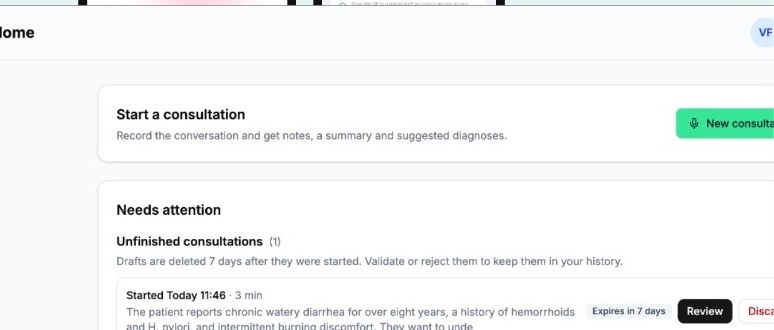
    Today’s list, the chart, the note, and what is still open after the visit, on the phone. For a doctor who has left the desk. The note is written in the consult, not after the clinic has closed.

  3. 03

    Clinical draft

    AIDA

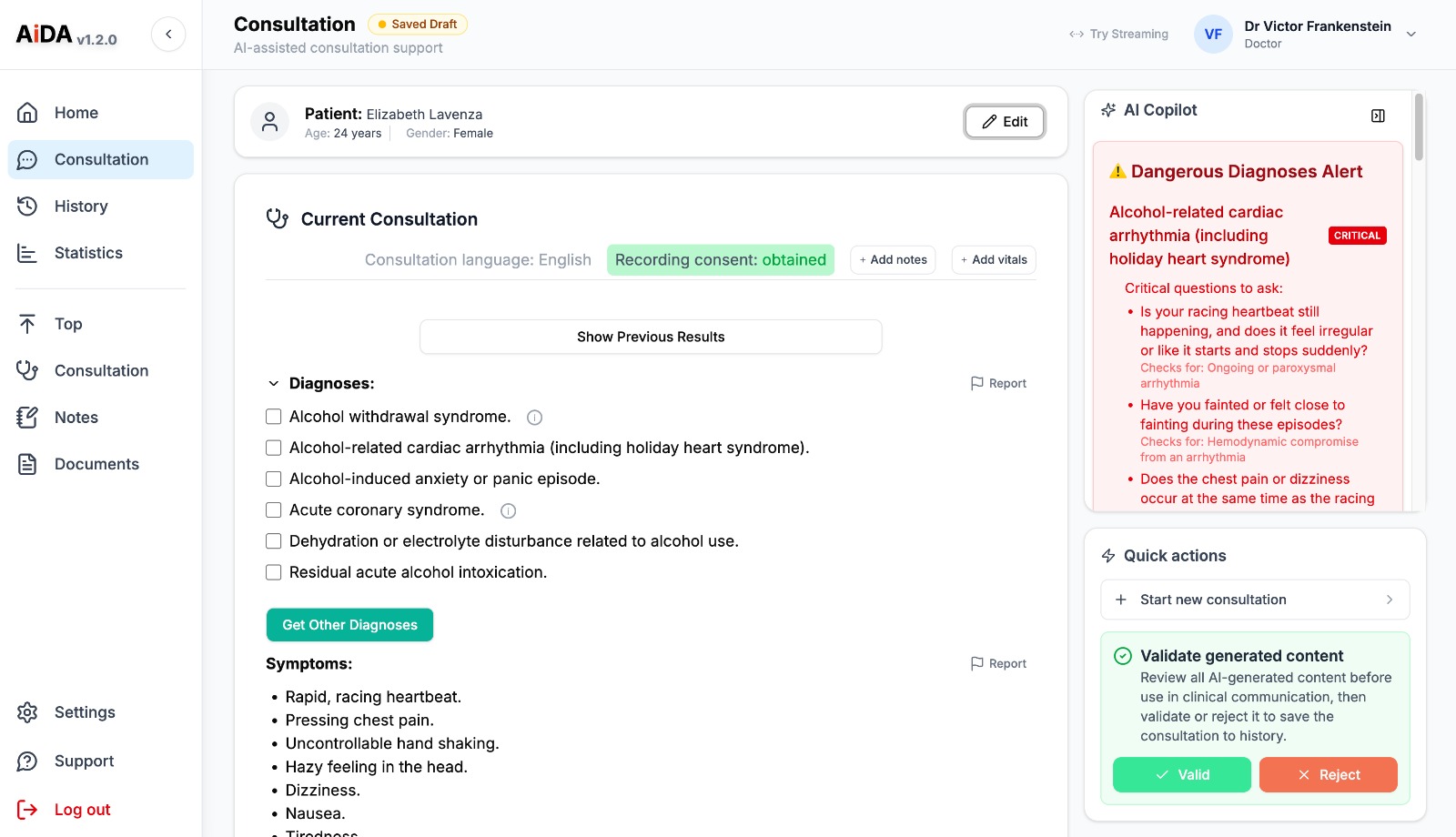
    A first draft of the note, the last visit brought forward, and a letter. For a doctor who still signs the chart. AIDA does not diagnose. Nothing is saved until they accept it.

  4. 04

    Video visit

    Mira

    A kiosk where the patient checks in and sees the doctor by video. For a clinic that wants that visit in a room it already has. The patient does not need their own laptop. Staff are nearby if the call needs a person in the room.

  5. 05

    Software house

    A team on the product

    Web and mobile products, APIs, and the cloud they run on. For a team that wants the product designed, built, and kept up. The work runs from the first screen to the system that stays up.

  6. 06

    Applied AI

    Still in review

    Drafts, search over a team’s own records, document extraction, and agents that stop for a person. For a product where the model must not write the record on its own. Someone accepts the output before it is kept.

01 Clinic management

Cleos

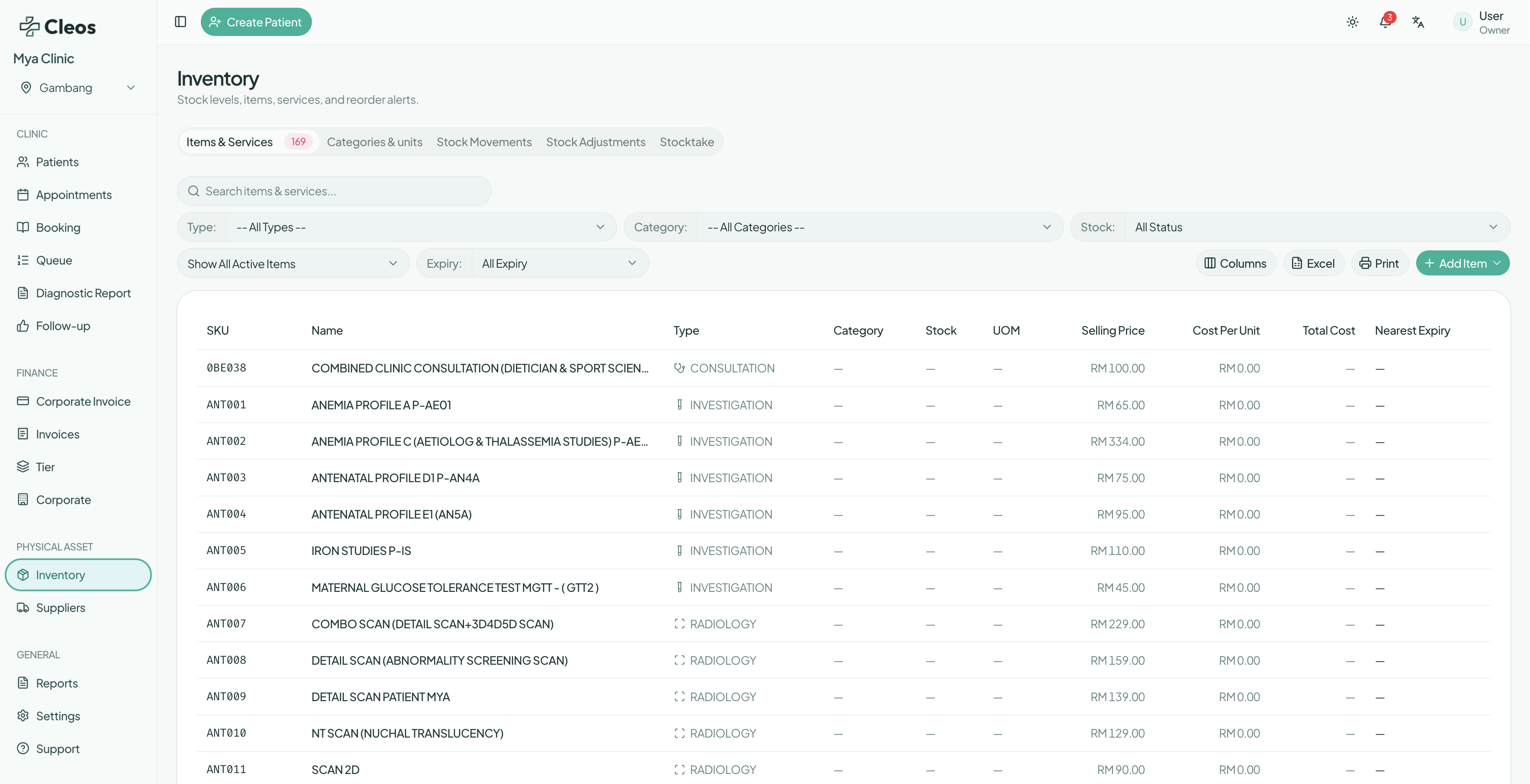
Cleos is the system the clinic runs on. Appointments, the patient record, billing, and the front desk sit in one place.

Names on this screen are generated. No real patient data is shown.

Explore

02 Doctor app

Daphne

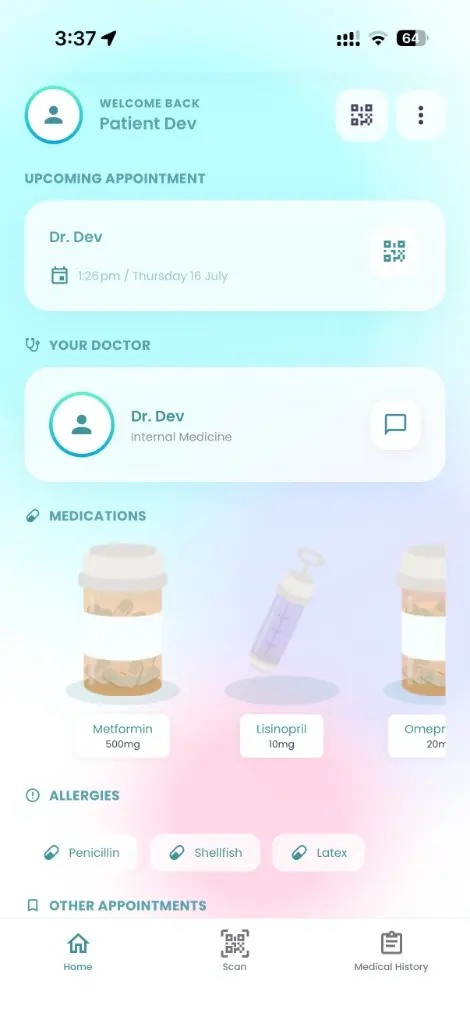
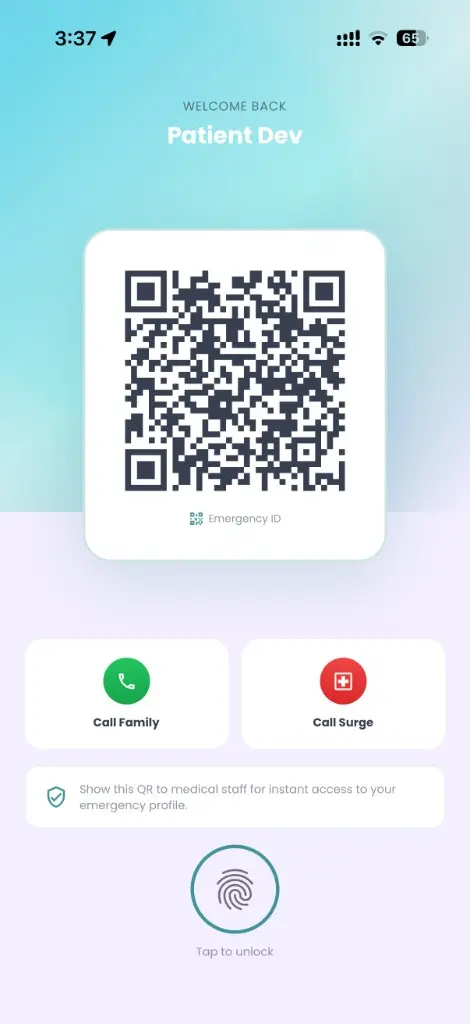
Daphne is the mobile app a doctor uses to manage patients. The list for today, the chart, the note, and what still needs doing after the visit.

Explore

03 AI doctor assistant

AIDA

AIDA drafts the note, brings the last visit forward, and prepares a letter. The doctor reads every line. Nothing is saved until they accept it.

Names on these screens are generated. No real patient data is shown.

Explore

04 Telemedicine kiosk

Mira

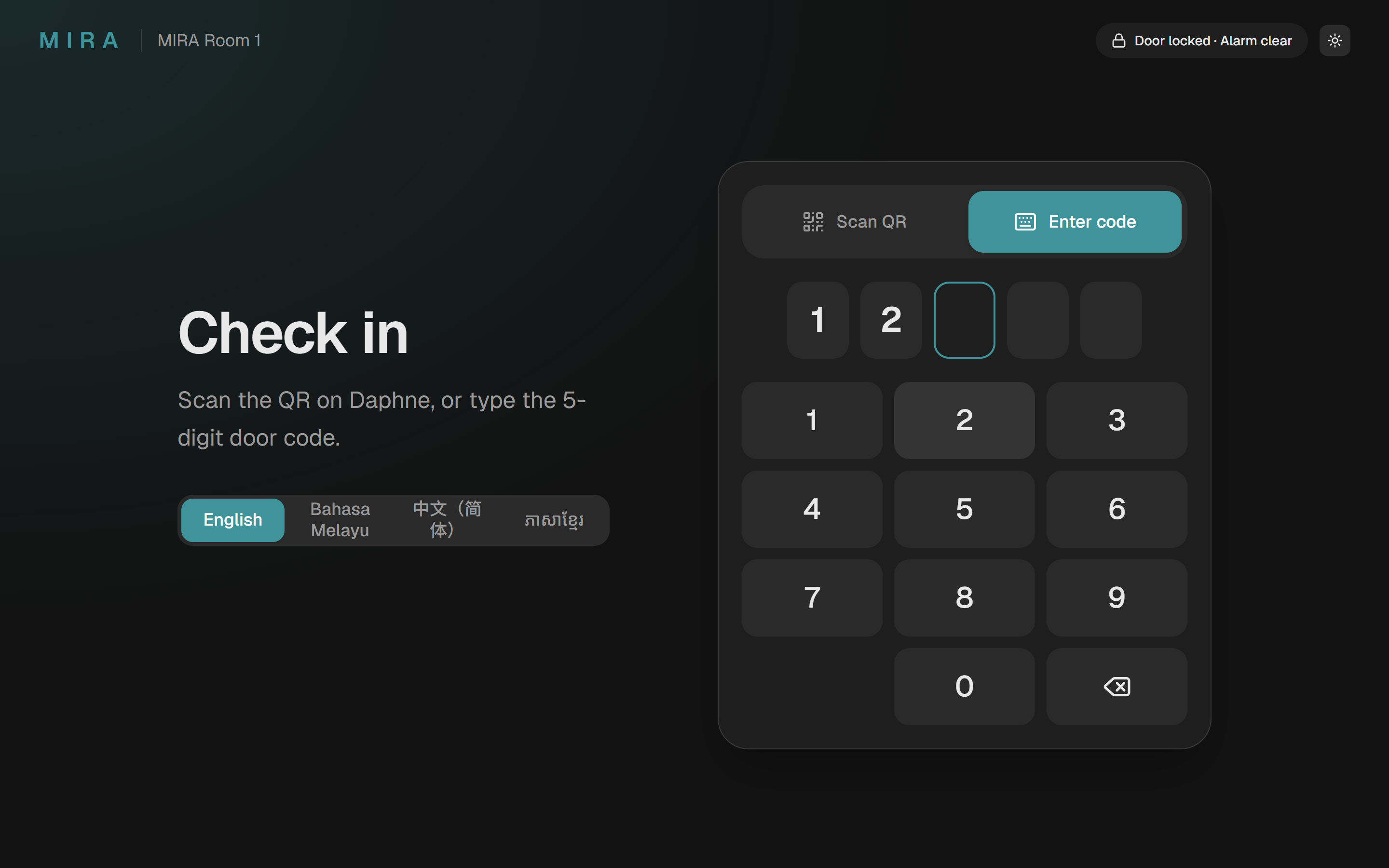
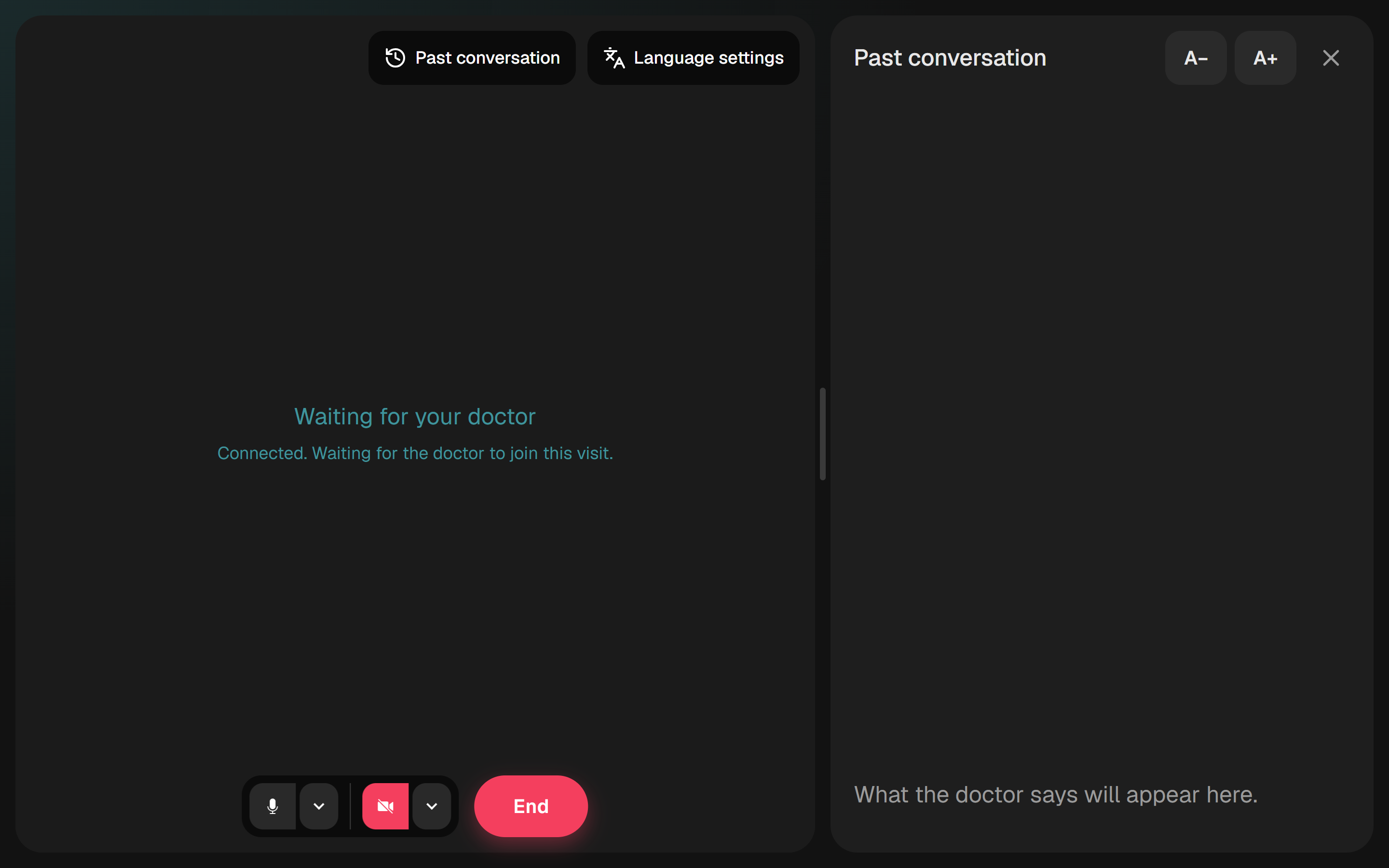
Mira is a kiosk for a video visit. The patient checks in on the screen, waits, and sees the doctor. Staff are nearby if the patient needs help.

Explore

Our solutions

Where the clinic day gets stuck

01

Clinic management

Reception books a slot the doctor never sees. The chart is a file the desk cannot open. The bill is typed again after the patient has left. Cleos is the diary for each doctor, room, and site. Reception, the doctor, and billing open that chart. Each site keeps its own day. The record follows the patient.
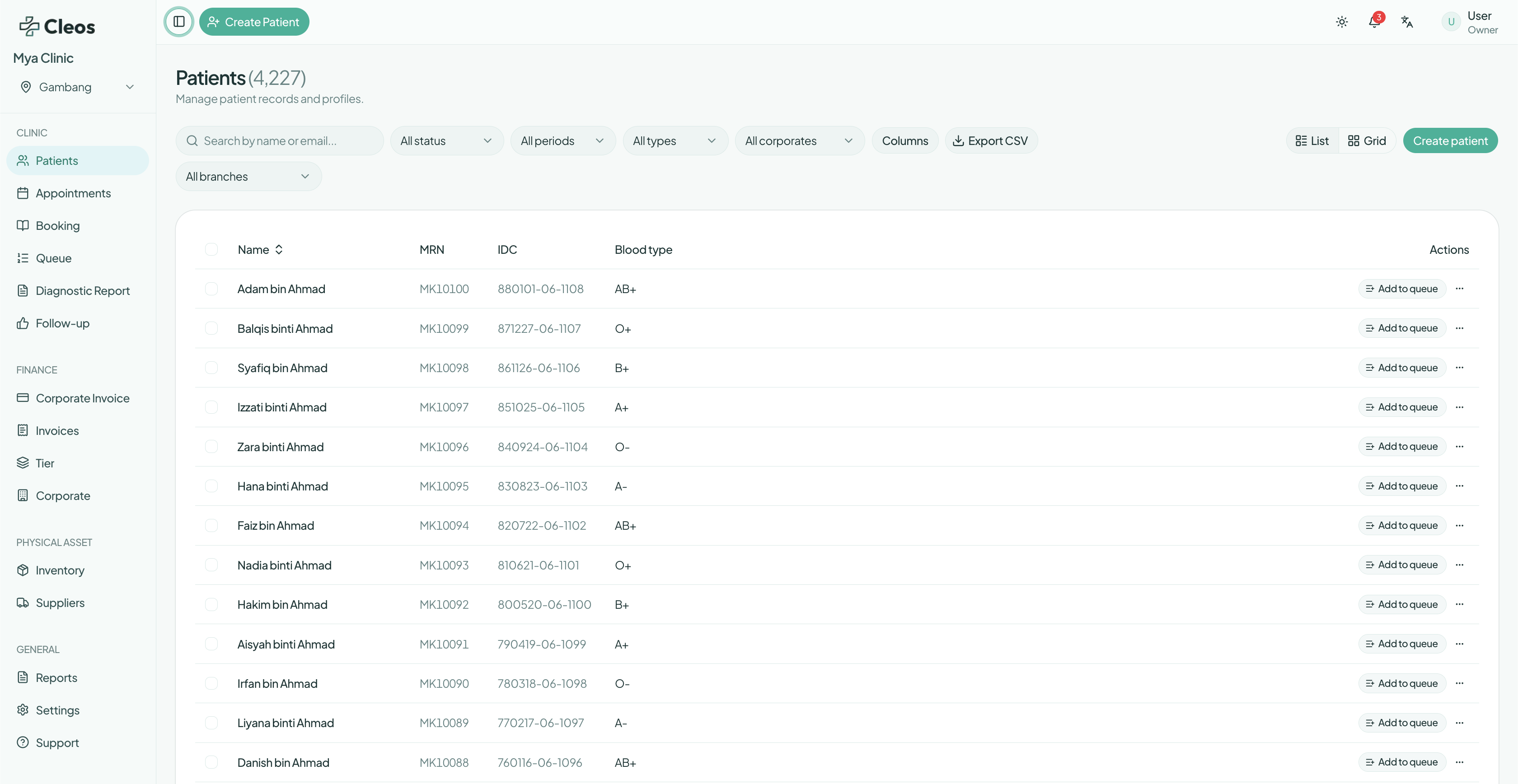
Cleos patient screen

02

The consult

Between rooms, the next patient is on a screen at the desk, and the note waits until the clinic has closed. Daphne shows who is booked, who has arrived, and the chart from Cleos. Follow-up stays on the patient. AIDA brings the last visit forward and drafts the note and the letter. The doctor edits, rejects, or accepts it.

Daphne home screen

03

The remote visit

A video link assumes a laptop, a camera, and a quiet room the patient may not have. Mira is the screen in the clinic. The patient checks in, sees that the doctor has not joined yet, and stays at the kiosk for the call. Someone on site can step in. The doctor still writes the note.

Mira check-in

04

One record

The desk, the phone, the draft, and the kiosk are only useful if they open the same visit. Reception books it. The doctor opens it. The draft comes from it. A kiosk visit lands in it. The bill is that visit, not a second typing.

Cleos
Daphne
AIDA
Mira

How we do it

From the day as it is

The same path covers a clinic and a product we build for someone else.

  1. 01

    Discover

    We start with the day as it is. Who books the visit, who sees the patient, who writes the note, and who sends the bill.

  2. 02

    Strategize

    The desk, the phone, and the kiosk get their own screens. They are drawn so they open the same record.

  3. 03

    Build

    We build the software so a visit is entered once. A charge comes from that visit. It is not typed again at the desk.

  4. 04

    Integrate

    The four products meet on that visit. When the work is someone else’s product, we connect it through APIs.

  5. 05

    Deploy

    The first site goes live. Reception and the doctor can both find the visit without a second explanation.

  6. 06

    Evolve

    The next site uses the same record. The draft gets tighter. We stay while the day changes.

Why clinics choose us

Reasons that show up in the day

  • Built for a clinic day

    Cleos, Daphne, AIDA, and Mira come from the desk, the consult, the note, and the kiosk. They are not a generic app with a clinic label.

  • Custom when that is the job

    Other teams hire us to design, build, and run their own product. The four clinic products are not a template we force onto that work.

  • The visit is not entered again

    Booking, the chart, the draft, the kiosk, and the bill read one visit. A missed second typing is a missed charge, or a dispute at the desk.

  • The doctor still decides

    AIDA prepares a draft. It does not diagnose, and it does not write the chart. The doctor accepts it, or they do not.

  • Each site keeps its own day

    A second branch does not start a second chart. The diary at each site stays real. The record follows the patient.

  • We stay after go-live

    The first site is not the end of the work. The next site, a tighter draft, and a kiosk visit that still lands in the chart are the same engagement.

Why we stand out

The software follows the clinic

A clinic is not another app. The waiting room, the consult, and the bill are one visit, and that visit has to be accurate. A tool that only fits the desk leaves the doctor with a second system. A tool that only fits the consult leaves reception asking who is next.

We fit the software to that day, and we stay after it is live. The four products share the record. When the work belongs to another team, we are still there from the first screen through the system that keeps the product up.

Technology

What the products run on

The clinic touches a screen. Behind it is the record. Further back is the system that stays up.

01

What people touch

React on the web. iOS, Android, React Native, and Flutter when the work is a phone, as Daphne is. This is the desk, the doctor’s hand, and the kiosk screen.

02

What holds the record

Node.js, NestJS, .NET, and PHP, with PostgreSQL, MySQL, SQL Server, Kafka, Redis, and Elasticsearch when the product needs them. The chart is data those services can share, not a file on one computer.

03

What keeps it up

Kubernetes, AWS, Azure, and GCP. We pick the one that fits the job, then run the product after it is in use.

Surge AI

One clinic.
Four tools.

Cleos is the system on the front desk: the diary, the record, and the bill.

Daphne is the app the doctor opens between rooms.

AIDA drafts the note and the letter. The doctor accepts it before it is saved.

Mira is the kiosk. The patient checks in on the screen and sees the doctor by video.

We reply within one business day.